Market Segmentation Strategies of Shein: How to Reach the Young Audience
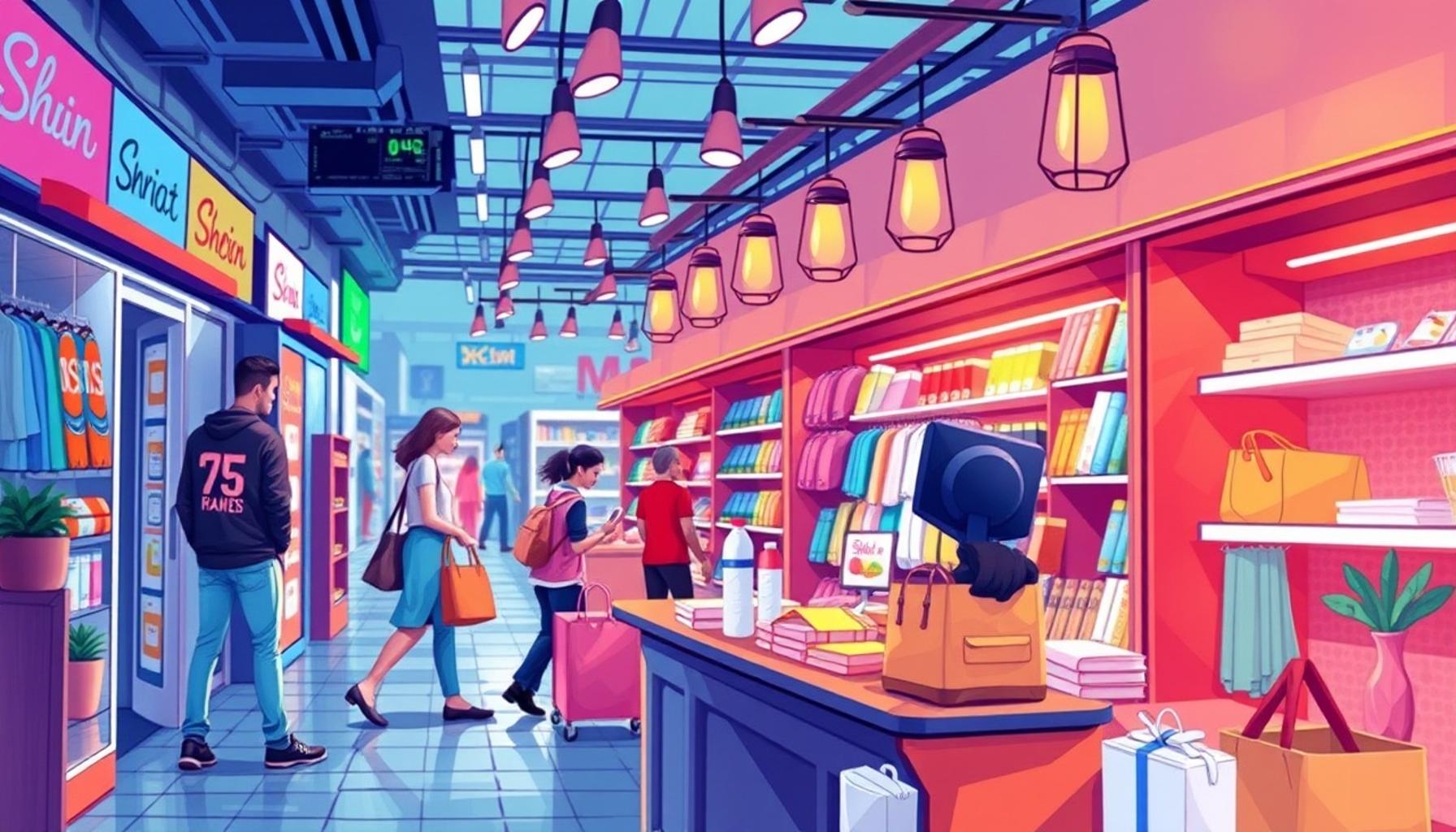
Overview of Shein’s Market Strategies
In the rapidly evolving world of fashion, one brand has emerged as a remarkable player: Shein. With its roots in China, Shein has expanded its reach globally, particularly gaining traction among young shoppers in the United States. This surge in popularity can be attributed to the brand’s unique ability to adapt quickly to fashion trends and cater specifically to the desires of Millennials and Gen Z consumers, who prioritize both style and affordability.
Delivering on Affordability
One of Shein’s most significant draws is its exceptional affordability. In an era where prices seem to climb, Shein manages to offer a plethora of fashion-forward items at prices that resonate with budget-conscious individuals. For instance, shirts can often be found for as low as $10, and dresses generally hover around $15. Such pricing strategies not only attract young shoppers but also allow for frequently changing wardrobes that reflect current trends without breaking the bank. This accessibility means that consumers can experiment with their styles without feeling guilty about their spending.
A Vast Selection for Every Style
Additionally, Shein’s diverse product range plays a pivotal role in its appeal. The brand boasts thousands of items that span across various categories—ranging from casual streetwear and athleisure to elegant formal wear. This extensive selection enables shoppers to find everything they might need in one digital store. For example, someone looking to attend a casual brunch might find chic options like flowy tops and trendy skirts, while the same individual can shop for sophisticated evening dresses for a night out. This versatility ensures that Shein remains relevant for many occasions and personal styles.
Engagement Through Social Media
In addition to product offerings, Shein has capitalized on the power of social media engagement. With platforms like Instagram and TikTok thriving among younger demographics, Shein adeptly utilizes these tools to connect with potential customers. By collaborating with influencers who align with their aesthetic, the brand reaches a wider audience while remaining authentic to its identity. Moreover, user-generated content—where satisfied customers post photos in their Shein purchases—creates a community vibe, fostering a sense of belonging among shoppers. This digital engagement not only enhances brand loyalty but also keeps Shein at the forefront of consumers’ minds.
Overall, Shein’s ability to blend affordability, a vast range of styles, and engaging social media strategies illustrates a modern vision of market segmentation. As the fashion industry continues to evolve, it will be fascinating to observe how Shein adapts to future trends and what innovations it will bring to maintain its competitive edge. This brand’s journey serves as a case study for understanding the behaviors and motivations of today’s youth in a constantly changing retail environment.
DISCOVER MORE: Click here to learn about AI’s impact on supply chain efficiency</a
Targeting the Young Consumer: Shein’s Winning Approach
To effectively tap into the lucrative young consumer market, Shein leverages a variety of highly effective market segmentation strategies. Understanding the unique preferences, values, and behaviors of Millennials and Gen Z is crucial to the brand’s success, and it employs sophisticated methods to achieve this connection. By delving into demographic, psychographic, and behavioral segmentation, Shein has crafted a tailored experience that resonates deeply with its audience.
Demographic Segmentation: Age and Purchases
Shein focuses primarily on the age demographic of its consumers, targeting individuals between 18 and 30 years old. This demographic is not only the most engaged with online shopping but also represents a significant portion of fashion consumption. By offering products that specifically appeal to the trends embraced by young consumers, Shein ensures that it remains appealing to their target market. The brand analyzes key factors such as:
- Age: Understanding the styles popular within different age groups.
- Income Level: Catering to budget-friendly needs that align with younger shoppers’ financial situations.
- Geographic Location: Tailoring offerings and marketing strategies that resonate with regional fashion trends.
Through these methods, Shein is adept at creating collections that speak to the desires of young shoppers, striking the perfect balance between style and affordability.
Psychographic Segmentation: Values and Lifestyles
Beyond demographics, Shein dives deeper into psychographic segmentation, which encompasses the lifestyle choices and values of its target audience. The brand recognizes that young consumers prioritize sustainability, ethical shopping, and social responsibility. Consequently, Shein is increasingly highlighting its commitment to responsible fashion, showcasing:
- Eco-friendly materials: Many new lines incorporate sustainable fabrics.
- Fashion transparency: Offering insights into their supply chain to address consumer concerns.
- Inclusivity: Providing a wide range of sizes and styles to cater to diverse body types and personal expressions.
This approach fosters an emotional connection with consumers, building brand loyalty and positioning Shein as not just a clothing retailer, but a lifestyle choice.
Behavioral Segmentation: Shopping Preferences and Trends
Finally, Shein capitalizes on behavioral segmentation by examining how young consumers interact with fashion brands online. With an emphasis on the speed of trends, Shein’s agile supply chain enables quick responses to emerging styles, ensuring that new items are consistently available. Behavioral factors that influence Shein’s strategies include:
- Online Shopping Habits: Recognizing that the majority of young consumers prefer shopping online and through mobile apps.
- Brand Loyalty: Engaging customers through loyalty programs and targeted promotions that encourage repeat purchases.
- Social Media Influence: Monitoring trending content on platforms such as TikTok and Instagram to inform product offerings.
By adopting these comprehensive market segmentation strategies, Shein continues to thrive within the competitive fashion landscape, solidifying its position as a go-to brand for budget-conscious young shoppers seeking trendy, stylish clothing. The interplay between effective segmentation and tactical marketing approaches creates a pathway for ongoing engagement and loyalty that increasingly defines the fashion industry.
Market Segmentation Strategies of Shein: How to Reach the Young Audience
When it comes to tapping into the young audience, Shein has leveraged a variety of market segmentation strategies that uniquely position the brand to connect with this demographic. By carefully considering the preferences and behaviors of young shoppers, Shein has created a marketing platform that is both engaging and effective.
One of the core strategies employed by Shein is the use of social media influencers to enhance brand visibility. This approach not only fosters authenticity but also builds trust among Gen Z and millennial consumers, who often look to their favorite influencers for style inspiration. By collaborating with popular platforms like Instagram and TikTok, Shein effectively creates a presence that resonates with younger audiences who spend significant amounts of time browsing these platforms.
Moreover, Shein takes advantage of data analytics to understand the purchasing habits of its target market. By analyzing trends and consumer preferences, the brand can tailor its offerings to reflect current styles that appeal to young shoppers. This responsive approach to inventory management means that Shein can quickly adapt to the evolving tastes of its audience, keeping them interested and engaged.
Yet, affordability and fast fashion remain at the heart of Shein’s appeal. The brand emphasizes value for money, ensuring that its collections are not only trendy but also budget-friendly. This strategy is particularly attractive to young consumers who often seek fashionable yet affordable options.
| Category | Key Features |
|---|---|
| Influencer Marketing | Utilizes social media personalities to create buzz and trust |
| Data-Driven Strategies | Analyzes trends and consumer data for tailored offerings |
| Affordable Fast Fashion | Offers trendy products at competitive prices |
This innovative blend of strategies demonstrates how Shein captures the attention of the younger demographic effectively, making it a key player in the fast-fashion industry. The desire for quick, stylish, and cost-effective wardrobe options gives Shein a significant edge, but it’s their ability to adapt and resonate with young consumers that truly sets them apart.
DON’T MISS OUT: Click here to learn how to score free items!
Leveraging Technology and Personalization: Shein’s Strategic Edge
As the fashion industry rapidly evolves, Shein capitalizes on technology-driven segmentation strategies to maintain its competitive edge. By prioritizing data analytics and personalized shopping experiences, the brand caters specifically to the tastes and preferences of a tech-savvy young audience. The brand’s innovative approach to market segmentation extends beyond traditional methods, employing insightful technological tools that give it a unique foothold in the market.
Data-Driven Insights: Understanding Consumer Behavior
In the age of big data, Shein utilizes extensive analytics to monitor customer behaviors and preferences. This data-driven decision-making allows the brand to identify emerging trends and patterns among its young consumers. Key components of this strategy include:
- Shopping Behavior Tracking: Shein tracks how users interact with their website and mobile app, analyzing clicks, views, and purchase histories. This insight helps determine which styles are most popular.
- User-Generated Content: Shein encourages customers to share their outfits on social media, which not only promotes brand visibility but also offers tangible insights into fashion trends inspired by real consumers.
- Customized Recommendations: Employing algorithms that suggest products based on individual browsing and purchase histories, Shein tailors the shopping experience, ensuring that customers encounter items they are likely to enjoy.
This meticulous approach places Shein in a position where it can proactively respond to market demands, tailoring its offerings to satisfy a young, discerning audience that expects both relevance and personalization in their shopping experiences.
Social Media Engagement: Building a Community
Another cornerstone of Shein’s segmentation strategy is its robust presence on social media. With platforms such as TikTok, Instagram, and Pinterest serving as essential tools for engagement, the brand establishes a community-oriented approach that resonates with younger demographics. Key tactics employed include:
- Influencer Collaborations: Partnering with social media influencers who embody the brand’s aesthetic amplifies Shein’s reach. Creating content that showcases real-life usage of products fosters authenticity and positions the brand as relatable.
- Interactive Campaigns: Engaging challenges and hashtag campaigns encourage user participation, making consumers feel part of the Shein community. Such initiatives drive organic traffic and enhance brand loyalty among young shoppers.
- Live Shopping Events: Embracing live-stream shopping allows Shein to showcase items in real-time while interacting with potential buyers, seamlessly blending entertainment with ecommerce.
By integrating these social media strategies, Shein taps into the communication styles favored by the younger audience, furthering its commitment to relevance and fostering a sense of belonging.
Mobile Optimization: The Future of Fashion Retail
With a significant number of young consumers opting for mobile shopping, Shein prioritizes enhancing its mobile platform. The brand’s mobile app is tailored to offer a streamlined, engaging shopping experience, featuring:
- Seamless User Interface: A user-friendly design ensures that young shoppers can easily browse, search, and purchase items with minimal effort.
- Exclusive Mobile Offers: Targeted discounts and promotions available exclusively to app users incentivize downloads and encourage purchases.
- Augmented Reality (AR) Features: Innovative AR tools allow customers to visualize clothing on themselves virtually, enhancing confidence in their purchasing decisions.
By placing a strong emphasis on mobile optimization, Shein meets the expectations of a generation accustomed to instant gratification and accessibility, thus solidifying its status as a favored destination for stylish young consumers navigating the digital marketplace.
DISCOVER MORE: Click here to learn about personalization’s impact
Conclusion: Shein’s Winning Formula for Young Consumers
In the ever-evolving landscape of fashion retail, Shein’s market segmentation strategies offer a compelling case study on effectively engaging a young audience. By harnessing data analytics and technology-driven insights, the brand not only understands consumer behavior but also tailors its offerings to meet evolving preferences. The use of social media engagement further amplifies this strategy, fostering a sense of community among shoppers who are keen to participate in dynamic interactive campaigns and influencer collaborations.
The focus on mobile optimization further positions Shein at the forefront of the retail sector. With mobile shopping becoming increasingly prevalent among younger generations, the brand ensures a seamless user experience and employs innovative features like augmented reality to enhance the shopping process. These strategies not only cater to the immediate desires of consumers but also contribute to long-term brand loyalty.
As Shein continues to adapt to trends and consumer expectations, its segmentation tactics illustrate the importance of being attuned to the nuanced preferences of younger shoppers. This approach not only offers insights for future retail strategies but also reinforces the power of tailored engagement in a market that craves personalization and authenticity. For brands seeking to penetrate this challenging segment, Shein’s model serves as a blueprint for leveraging technology and community-building in the quest for tomorrow’s fashion consciousness.

Linda Carter is a digital business trends writer and strategist specializing in emerging technologies and online revenue models. With extensive experience helping entrepreneurs and professionals adapt to the digital economy, she shares actionable insights on our platform about monetization strategies, consumer behavior shifts, and next-wave innovations. Her goal is to empower readers with practical frameworks to future-proof their businesses and capitalize on digital opportunities.