Fashion Development Through Augmented Reality: Shein’s Interactive Experience for Consumers
The Role of Augmented Reality in Fashion Retail
Technological advancements in recent years have led to a seismic shift in the fashion industry. Among these innovations, Augmented Reality (AR) stands out as a game-changer, fundamentally altering how consumers engage with fashion brands and products. This immersive technology enables shoppers to visualize clothing items and accessories in a more interactive manner than ever before, bridging the gap between virtual experiences and the physical world.
Leading this transformation is Shein, an online retail giant known for its trendy, affordable styles. The company has seamlessly integrated AR into its shopping platform, allowing users to experience its vast inventory in a captivating manner. This innovative approach is not merely about selling clothes; it’s about crafting an engaging environment that enhances customer interaction and satisfaction.
Key Features of Shein’s AR Integration
One of Shein’s most notable features is its Virtual Try-Ons. This allows customers to ‘try on’ items virtually using their smartphone or computer camera. For instance, imagine browsing an online catalog from the comfort of your living room and being able to instantly see how a dress looks on you without the hassle of physical fittings. This feature not only saves time but also encourages buyers to explore styles they might not have considered otherwise.
- Interactive Features: Shein is leveraging AR to provide interactive experiences. For example, shoppers can explore lookbooks or themed collections where they can rotate products, view them from different angles, and see how outfits pair together in real-time.
- Personalization: Utilizing advanced algorithms, Shein offers tailored suggestions based on user preferences and past purchases. This level of customization can significantly enhance the shopping experience, making consumers feel valued and understood.
This integration of AR technology aims not only to enhance user experience but also to increase sales conversions. By transforming how consumers visualize and connect with products, brands like Shein can capture consumer interest in innovative ways, thereby influencing purchasing decisions.
As AR technology continues to evolve, it becomes increasingly essential for fashion brands to adopt these tools or risk falling behind in a fiercely competitive market. The fusion of fashion and technology prompts thought-provoking questions for consumers and industry insiders alike. How will these advancements streamline the shopping experience? What implications might they have for traditional retail stores and shopping habits? By diving deeper into Shein’s interactive offerings, shoppers can witness the dynamic future of the fashion industry unfold, making it a thrilling time to explore new trends and experiences.
DISCOVER MORE: Click here to learn about sustainability in e-commerce</p
Transforming the Shopping Experience
As the fashion landscape evolves, Augmented Reality (AR) is redefining the way consumers shop, making the experience not only more efficient but also deeply engaging. Shein’s innovative use of this technology goes beyond mere aesthetics; it fundamentally alters the dynamics of consumer interaction by enabling virtual experiences that captivate and persuade. Shoppers are no longer passive recipients; they are active participants in a digital journey that enhances personal style discovery.
Shein’s AR capabilities have opened a portal that allows users to visualize their favorites from an extensive clothing range without actually wearing them. The convenience of the Virtual Try-On feature means that choosing items is now a touch-and-feel experience without needing to leave home. This not only reduces return rates but also helps to instill confidence in buyers—swaying them toward making impulsive purchases that align with their tastes.
- Real-Time Interactivity: The feature empowers customers to explore a plethora of fashion options interactively. Users can manipulate clothing items to see them in different colors, patterns, or styles—all in real-time. This engagement mimics the traditional fitting room experience, allowing customers to envision how various garments might fit into their wardrobe.
- Social Sharing: Shein recognizes the power of social networks. Users can easily share their virtual looks with friends and family, gathering opinions before making final decisions. This element of social interaction not only appeals to the younger demographic but also elicits a sense of community, further binding consumers to the brand.
- Style Challenges: By introducing gamified elements, such as style challenges or looks-a-like contests using AR tools, Shein encourages users to dive deeper into the fashion experience. These activities foster a sense of competition and creativity, keeping consumers engaged and excited about new styles.
The brand’s commitment to enhancing the consumer journey through AR reflects a broader trend within the retail industry, which increasingly recognizes the necessity of innovative technologies to stay competitive. As shopping habits shift toward online and mobile platforms, incorporating AR is no longer considered an added feature but a crucial element of any modern retail strategy. This shift aligns with changing consumer preferences, where immersive experiences are sought after more than conventional shopping practices.
Looking ahead, the implications of integrating AR in fashion are profound. This kind of technology not only facilitates seamless online shopping but also serves as a tool for brands to establish stronger connections with their audiences. As Shein sets the stage for this augmented revolution, it ignites discussions regarding privacy, data security, and the future of in-store experiences. How will traditional brick-and-mortar stores adapt? And what does this mean for the sustainability of fast fashion models? These questions remain central as we stand at the precipice of a radical transformation in the fashion industry.
Fashion Development Through Augmented Reality: Shein’s Interactive Experience for Consumers
The fusion of technology and fashion has ushered in a new era of consumer engagement, with “augmented reality” (AR) becoming a pivotal tool in reshaping how consumers interact with brands. Shein, a leading online fashion retailer, has adeptly harnessed this technology to create an immersive shopping environment that enhances the user’s experience. By integrating AR into its platform, Shein allows customers to virtually try on clothing, visualizing how items will look and fit without the need for physical trials. This innovative approach not only fuels consumer interest but also significantly reduces the return rates, a common challenge in online shopping.
| Category | Advantages |
|---|---|
| Enhanced Shopping Experience | The use of AR allows users to visualize clothing on themselves, making online shopping more engaging and personal. |
| Reduced Return Rates | Virtual fittings through AR help consumers make informed decisions, minimizing the likelihood of returns due to sizing or style misjudgments. |
Moreover, Shein’s interactive experience doesn’t just cater to the consumer; it also enables brands to gather valuable insights into consumer preferences and trends. By analyzing user data from AR interactions, Shein can adjust its inventory and design strategies to better align with what customers want. This feedback loop not only enhances consumer satisfaction but also positions Shein at the forefront of fashion innovation.
As brands continue to explore the capabilities of AR, the implications for the fashion industry are profound. Embracing technology not only fosters a deeper connection with consumers but also reshapes the retail landscape, creating opportunities for customization and personalization in fashion that were once unimaginable.
DISCOVER MORE: Click here to learn about the impact of mobile commerce on Shein’s success
Bridging the Gap Between Digital and Physical
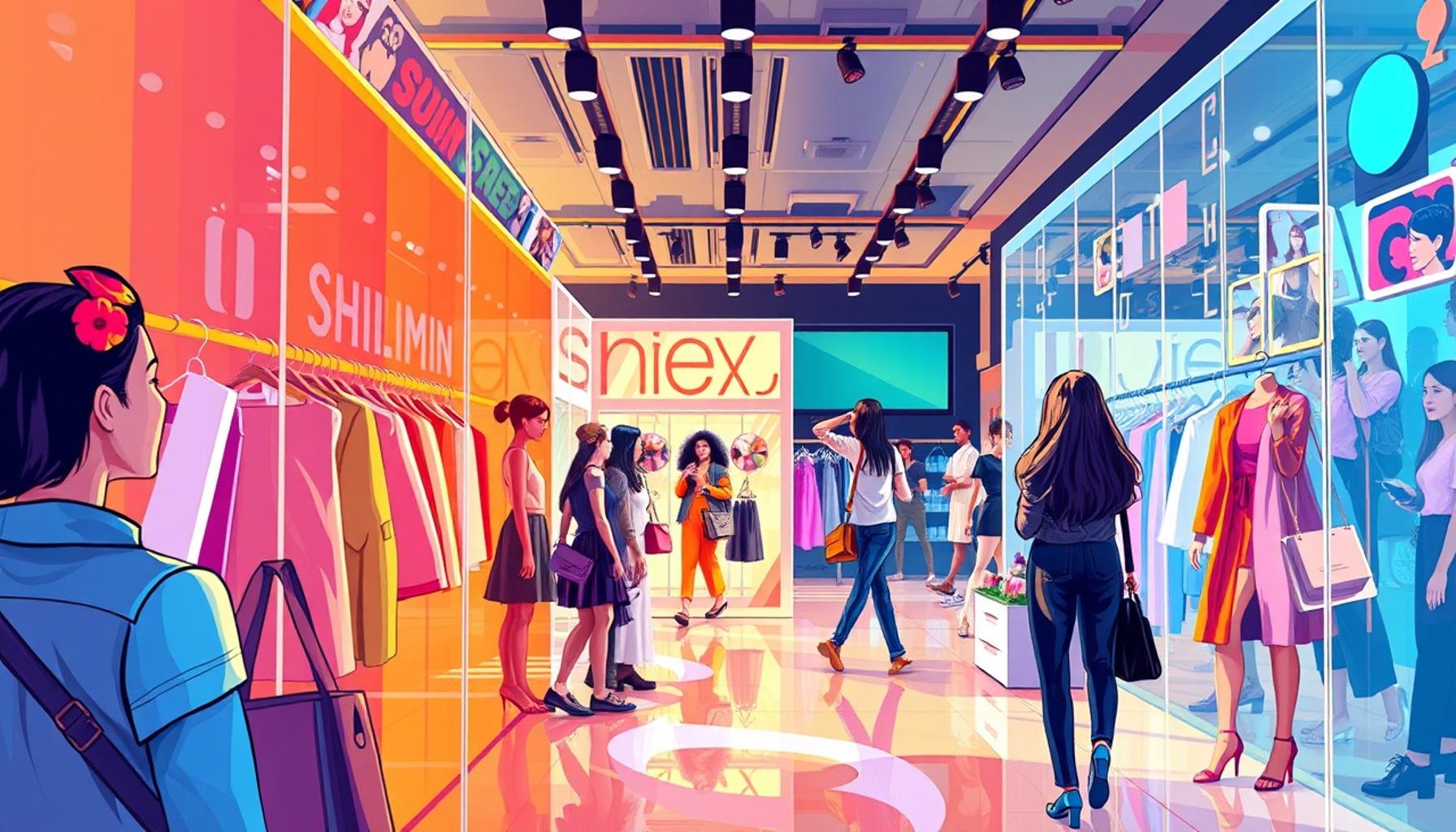
As Augmented Reality (AR) continues to gain traction within the fashion world, Shein is not only redefining the online shopping experience but also working to bridge the gap between digital and physical retail environments. The integration of AR features into physical store spaces presents exciting prospects for retailers looking to merge the best elements of both worlds. With the capability to enhance in-store engagement, Shein’s AR experiences can transform how consumers interact with products directly.
- Interactive Store Displays: Imagine walking into a Shein pop-up store where digital screens adjust to your movements and preferences. Utilizing AR, store visitors could access an interactive fashion guide that provides style suggestions, mix-and-match possibilities, and the latest trends based on past purchases. Such setups create an immersive shopping experience that combines physical presence with digital assistance.
- In-store Virtual Personal Stylists: AR can help customers discover items they might not initially consider. By simply pointing a device at an item, users could receive styling tips on how to wear it or view additional items that pair well. This personalized touch not only caters to fashion-forward consumers but also contributes to a return-on-investment model for retailers by increasing cross-selling opportunities.
This innovative approach signals a shift toward an omnichannel shopping experience where the boundaries between online and offline retail blur. Traditional store layouts could adapt, allowing for AR-driven installations that invite customers to engage with the products actively. With consumers becoming more accustomed to instant gratification through technology, such features are likely to resonate with a demographic that appreciates personalized service and a unique shopping journey.
Furthermore, data analytics play an integral role in optimizing the AR experience. Shein can analyze interactions and preferences to tailor offerings and recommendations dynamically. For example, if a user frequently virtually tries on outfits in certain colors or styles, Shein could personalize marketing campaigns that spotlight similar products. The ability to customize the shopping experience based on real-time data creates a powerful connection that keeps customers returning for more.
The rise of user-generated content also complements Shein’s AR initiatives. As customers share their virtual try-ons on social media, they effectively become brand ambassadors, fostering a community of engaged consumers. Such organic marketing not only drives brand visibility but also provides valuable insights into trends and consumer desires, further shaping future AR developments.
In addition to enhancing customer engagement, Shein’s AR application can contribute to sustainability efforts by reducing waste associated with returns. Efficient virtual try-ons allow consumers to make informed decisions and decrease the likelihood of purchasing items that do not meet their expectations. In the long run, this trend aligns with an increasing consumer demand for eco-friendly practices within fashion.
As retailers like Shein embrace AR technology, they are not only reshaping consumer habits but also redefining industry standards. The future holds endless possibilities, suggesting that AR will become an indispensable tool in fashion development, bringing forth new dimensions of style and visual engagement for today’s digitally savvy shoppers.
DISCOVER MORE: Click here to learn about AI’s impact on shopping personalization</
Looking Ahead: The Future of Fashion with AR
As we stand at the intersection of technology and fashion, Shein’s commitment to Augmented Reality (AR) exemplifies a transformative leap in how consumers engage with clothing and accessories. By integrating AR into shopping experiences, Shein not only enhances customer interaction but also sets a precedent for future retail strategies. The fusion of the digital and physical realms enables consumers to make informed choices while enjoying a personalized shopping journey.
The evolution of interactive experiences is just the beginning. As Shein continues to innovate, the potential for AR in fashion extends beyond just virtual try-ons. Innovations such as interactive store displays and virtual personal stylists open up new avenues for brand engagement and customer service. The insights gained from data analytics will further refine these experiences, ensuring that individual preferences are met with precision.
Moreover, the impact of user-generated content and the increasing demand for sustainability cannot be underestimated. As consumers become more involved in the brand narrative, Shein’s AR initiatives can drive a culture of eco-conscious shopping, ultimately reshaping the industry landscape. The future of fashion through AR presents opportunities for brands to connect deeper with their audience while catering to their evolving needs and values.
In conclusion, as AR continues to revolutionize the fashion world, Shein stands at the forefront, challenging traditional retail norms and paving the way for a more immersive and sustainable shopping environment. The ongoing exploration of AR technology promises not just to enhance the purchasing process but to reshape the very fabric of fashion consumption, making this an exciting time for consumers and retailers alike to discover and embrace.

Linda Carter is a digital business trends writer and strategist specializing in emerging technologies and online revenue models. With extensive experience helping entrepreneurs and professionals adapt to the digital economy, she shares actionable insights on our platform about monetization strategies, consumer behavior shifts, and next-wave innovations. Her goal is to empower readers with practical frameworks to future-proof their businesses and capitalize on digital opportunities.