Tools and Apps to Manage Your Budget
The Importance of Budgeting Tools
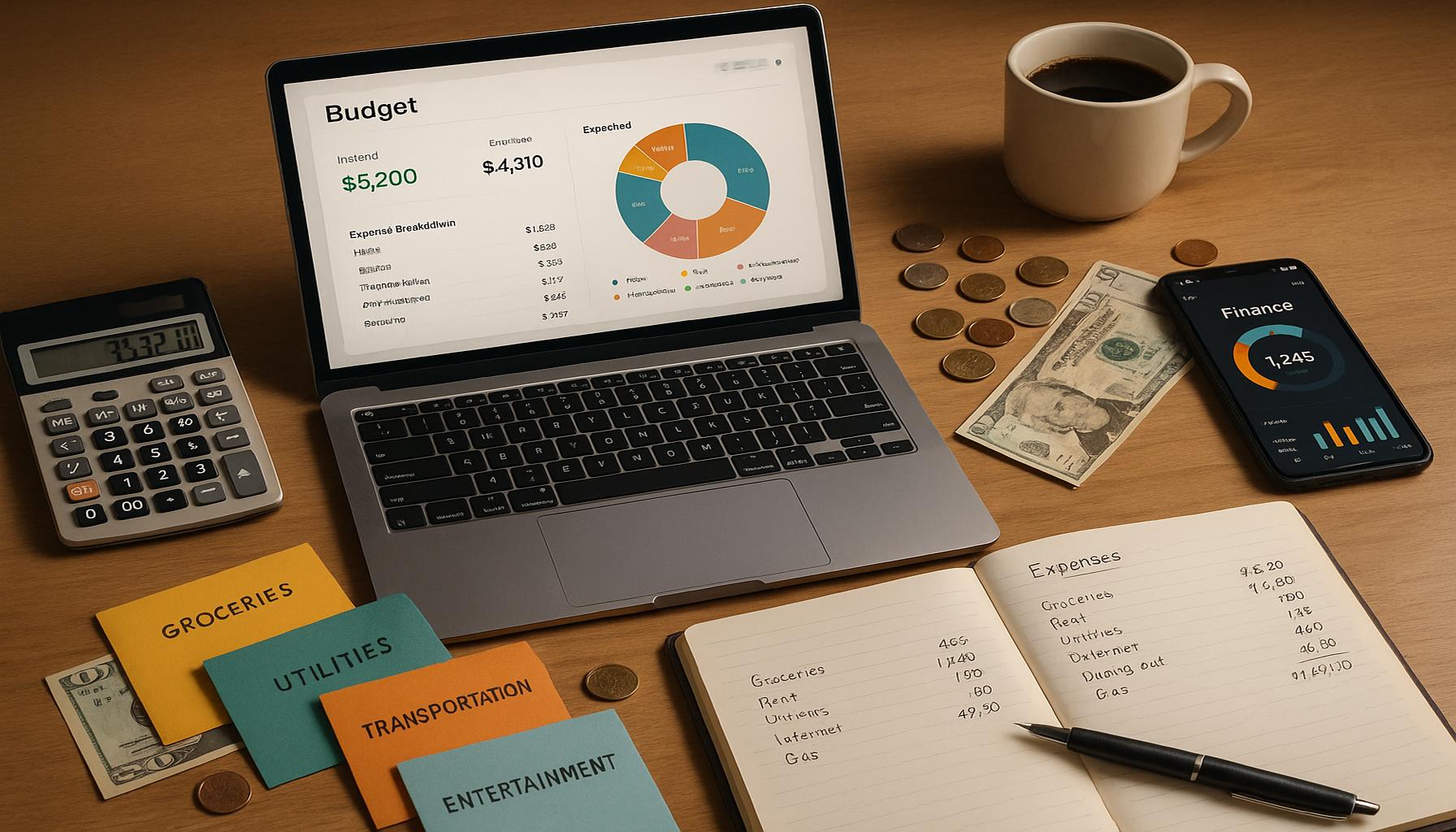
Managing your budget effectively is a cornerstone of achieving financial stability and reaching your personal financial goals. Whether you aim to save for a home, fund a vacation, or simply ensure that you live within your means, having a clear picture of your finances is critical. With the advancement of technology, budgeting has become more accessible than ever. Various tools and apps are designed to help you take control of your spending and save for the future.
Advantages of Budgeting Apps
Utilizing budgeting tools comes with several key advantages that can simplify your financial management:
- User-Friendly Interfaces: Many modern budgeting apps are designed with straightforward layouts, enabling users to navigate their features with ease. For instance, apps like Mint use colorful graphs and charts to visually demonstrate your spending habits, making it easy to understand your financial situation at a glance.
- Real-Time Tracking: The ability to monitor your spending in real-time can significantly enhance your budgeting efforts. For example, a user who buys groceries and immediately logs the expense in an app can see how it affects their weekly budget, helping them make quick adjustments if needed.
- Automated Features: Many budgeting tools offer features such as alerts and notifications when you are approaching your spending limits. This proactive approach can prevent overspending before it happens. YNAB (You Need A Budget) encourages users to allocate every dollar to specific categories, alerting them when they stray from their set limits.
Popular Budgeting Tools
Several tools have gained popularity for their effectiveness in helping users manage their budgets:
- Mint: This app is particularly beloved for its ability to consolidate various financial accounts—bank accounts, credit cards, loans—into one dashboard. Users can see all their finances in one place, making it simpler to track spending and gain insights into their budget.
- YNAB (You Need A Budget): Unlike some apps that merely track spending, YNAB focuses on proactive budgeting, encouraging users to spend with intention. It helps users plan for future expenses and build a flexible financial strategy that adapts to life’s changes.
- EveryDollar: For those who prefer a straightforward approach without all the frills, EveryDollar offers a simple way to create a zero-based budget. This means that each dollar is assigned a purpose, whether it’s for savings, expenses, or entertainment, ensuring that money is managed effectively each month.
Finding the Right Tool for You
It’s essential to find a budgeting tool that matches your personal finance style, whether that’s a mobile app that syncs with your bank account or a manual spreadsheet. As you explore your options, consider factors such as ease of use, the specific features you need, and how well the tool can adapt to your financial goals.
Ultimately, adopting budgeting tools not only simplifies the often daunting task of managing finances but also empowers you to make informed decisions about your spending and saving. As you become more comfortable with your budget, you can feel more confident in your financial future.
Exploring Key Features of Budgeting Tools
When you embark on the journey of managing your personal finances, selecting the right budgeting tool can make a significant difference. With a plethora of apps available, understanding their features is crucial to finding the one that best supports your financial management journey. Let’s delve deeper into some critical features that can enhance your budgeting experience.
- Expense Tracking: One of the most essential functions of any budgeting tool is its ability to meticulously record and categorize your expenses. This feature allows users to monitor spending habits in real-time, making it easier to determine where adjustments are necessary. For instance, while using a budgeting app, you might categorize expenditures into areas such as groceries, dining out, and utilities. If you discover that dining out takes up a hefty portion of your budget, you can strategize ways to reduce that spending, perhaps by opting for more home-cooked meals or weekly meal prep. This analytical approach empowers users to make educated choices about their financial behaviors.
- Budget Creation: Crafting a personalized budget is a fundamental capability of budgeting tools. Many apps provide users with the flexibility to build budgets from scratch or choose from pre-set templates tailored to common income and spending patterns. Take, for example, an app that emphasizes the principle of “you need to assign every dollar a job.” This philosophy ensures that your funds reflect your priorities, whether it’s saving for a new car or allocating funds towards retirement. This feature not only structures your finances but also fosters a sense of ownership and accountability.
- Goal Setting: The capacity to establish and track financial goals is another motivating feature found in numerous budgeting apps. Users can set objectives, such as saving for a dream vacation or paying off student loans. A practical illustration could be using an app to set a goal of saving $2,000 for a family trip to the beach. The platform may show a progress bar, indicating how much has been saved and how much more is needed. This visual feedback can enhance motivation and encourage users to stay committed to their savings plans.
- Reporting and Analytics: Effective budgeting tools come equipped with analysis features that provide insightful overviews of your financial habits. These reporting functions can present detailed summaries, revealing spending trends over weeks or months. Imagine using a budgeting app that highlights spending spikes during holidays or offers insights on monthly fluctuations; this understanding can guide better future financial planning. Apps like PocketGuard exemplify this functionality by presenting users with concise summaries, allowing for an immediate grasp of their overall financial health.
These advanced features not only enhance your grasp of personal finance management but also simplify the process of taking actionable steps towards improvement. With visually appealing dashboards and clear categorizations, budgeting becomes a practical and approachable endeavor.
In summary, choosing a budgeting tool that includes these features can greatly elevate your financial management skills. As you navigate through these functionalities, you will find it easier to adapt a budgeting strategy that complements your unique financial goals and lifestyle, paving the way for greater financial security and peace of mind.
Additional Tools That Enhance Budgeting Experience
In addition to the core features previously discussed, many budgeting tools come equipped with supplementary functionalities designed to offer a more comprehensive financial management experience. Let’s explore a few additional tools and apps that can aid in the juggling act of personal finances while also enhancing user engagement and support.
- User-Friendly Interfaces: An important aspect of budgeting tools is their usability. Well-designed apps offer intuitive interfaces that simplify navigation. For example, newcomers to budgeting may appreciate an app like YNAB (You Need A Budget), which offers a clear layout and straightforward explanations for each feature. This user-friendly interaction reduces the learning curve, enabling individuals to focus on managing their finances rather than figuring out how to use the app itself.
- Syncing with Bank Accounts: The ability to sync a budgeting app with your bank accounts or credit cards enables automatic expense tracking. This functionality not only saves time but also minimizes the risk of human error in data entry. Applications such as Mint allow users to connect multiple accounts and will automatically categorize transactions. With this feature, you are less likely to miss any expenses, resulting in a more accurate picture of your financial landscape.
- Reminders and Alerts: Staying on top of bills and due dates is crucial in order to avoid late fees and maintain good credit scores. Many budgeting tools provide notifications or reminders that alert users about upcoming bills, overspending, or when they are nearing their budget limits. A practical example is using an app like EveryDollar, which can send alerts when you’re close to exceeding your budget in particular categories, prompting users to make necessary adjustments ahead of time.
- Integration with Investment Accounts: Advanced budgeting tools are extending their capabilities by integrating investment accounts into budgeting systems. Apps like Personal Capital allow users to view their spending behaviors alongside investment performance. This holistic approach helps you understand how your spending and saving impact long-term financial goals, including retirement planning. For instance, if you realize that you are overspending monthly, you may decide to adjust contributions to your retirement fund to ensure a healthy balance.
- Community Support: Some budgeting apps foster a sense of community among users, providing forums or social features where users can share tips, success stories, or challenges. This connection can enhance motivation and accountability by giving people access to a network of individuals on similar financial journeys. An example is the online community found on the YNAB platform, where users actively participate in discussions to share budgeting wisdom and best practices.
Each of these additional features and tools can serve to elevate the budgeting experience, making personal financial management not only more efficient but also engaging and enjoyable. Whether you are a budgeting novice or a seasoned pro, the right combination of features can offer valuable insights and foster better habits that lead to long-term financial stability.
As you explore various budgeting tools, consider how these features align with your financial goals and preferences. The effectiveness of a budgeting tool lies not merely in its advanced features but in how well it fits into your lifestyle and helps you achieve your objectives.
Conclusion
In the journey toward effective financial management, utilizing tools and apps designed for budgeting can play a vital role in achieving your financial goals. As we’ve seen, the right budgeting applications offer user-friendly interfaces, seamless bank syncing, and timely reminders, all of which contribute to a more organized and stress-free approach to managing your finances. By taking advantage of features such as integration with investment accounts and community support, individuals can gain a holistic view of their financial health while staying motivated and informed.
When selecting a budgeting tool, it’s essential to evaluate how different features align with your unique financial situation and objectives. For instance, if you’re starting to build your budget, an application with easy navigation like YNAB might be beneficial. On the other hand, if you are looking for detailed insights into your investments alongside your spending, platforms like Personal Capital could be the way to go. Ultimately, the effectiveness of a budgeting app is measured not by complexity, but by how intuitively it fits into your lifestyle and facilitates your journey toward financial stability.
Incorporating these tools into your routine not only simplifies budgeting but can also transform your relationship with money. By actively engaging with your finances and leveraging the right apps, you’ll cultivate better habits that lead to a brighter financial future. Start exploring the options available to find the perfect budgeting companion and take charge of your financial well-being today.

Linda Carter is a writer and expert specializing in finance and investments. With extensive experience helping individuals achieve financial stability and make informed decisions, Linda shares her insights on the Alexandra Spindler platform. Her goal is to empower readers with practical advice and strategies for managing their finances and making smart investment choices.