The Role of Fintechs in the Current Financial Market: Innovations and Challenges
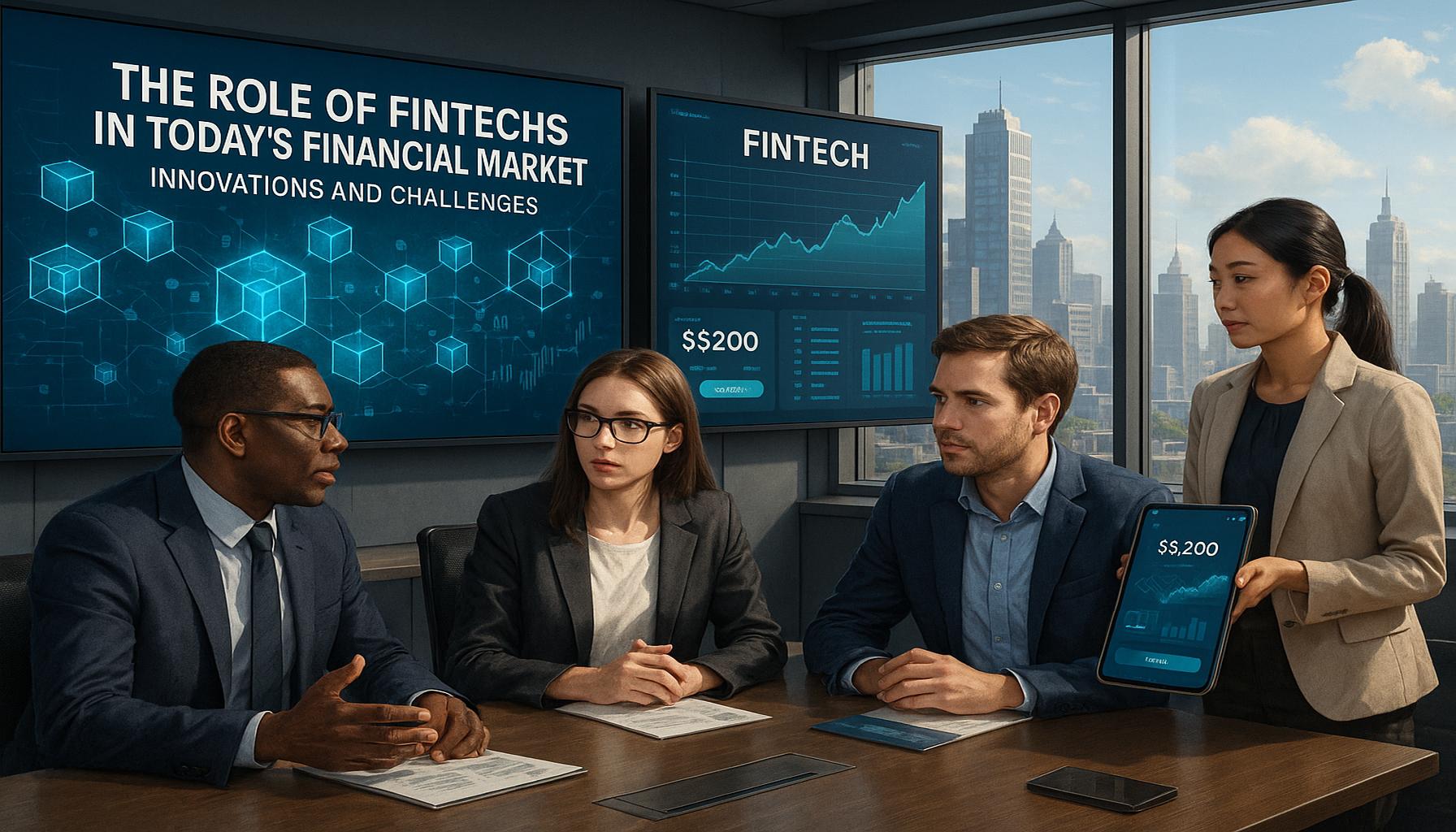
Transforming Financial Interactions
In recent years, the emergence of fintech companies has revolutionized the way people manage their finances. These companies harness the power of technology to create solutions that simplify financial services previously offered only by banks and financial institutions. For instance, many fintech apps allow users to track their spending, budget effectively, and even invest in stocks with just a few taps on their smartphones. Not only do these innovations enhance customer convenience, but they also serve as a formidable challenge to traditional banking systems, often delivering services faster and at lower costs.
Key Features of Fintech Innovations
- Mobile Banking: This technology empowers individuals to manage their bank accounts from their mobile devices, giving them the freedom to conduct transactions anytime and anywhere. Whether it’s transferring funds, paying bills, or depositing checks via a photo, mobile banking has made financial management seamless. For instance, apps like Chime or Cash App allow users to complete these tasks without ever stepping into a bank branch.
- Peer-to-Peer Lending: This model connects borrowers directly with lenders, bypassing traditional financial institutions as intermediaries. By using platforms like LendingClub or Prosper, individuals with gaps in their credit history can secure loans often at more favorable rates than they would find at a bank. This not only democratizes access to lending but also gives investors the chance to earn returns by funding these loans.
- Blockchain Technology: Innovative fintech solutions utilize blockchain to secure transactions, providing a level of transparency and security that traditional banking methods struggle to match. For example, cryptocurrencies such as Bitcoin operate on blockchain technology, allowing individuals to make transactions without the need for a centralized authority like a bank, thus reducing costs and improving efficiency.
Challenges Facing the Fintech Industry
Despite the many advantages of fintech innovations, significant challenges remain. Regulatory compliance is one major issue—fintech companies must navigate a complex web of state and federal regulations to operate legally. This can be daunting, especially for startups. Additionally, the risk of cybersecurity threats hangs over the industry like a dark cloud, as fintech companies often handle sensitive personal and financial information. Data breaches can erode customer trust and can lead to significant financial losses. Furthermore, as the market becomes saturated with new fintech offerings, standing out and maintaining customer loyalty becomes increasingly difficult.
Another vital consideration is the need to instill and maintain customer trust in a world that is progressively leaning towards digital-first solutions. Customers must feel confident in the security and privacy of their data. Therefore, fintech firms require robust security measures and excellent customer support systems to foster a reliable banking experience.
Conclusion
As we move forward, the impact of fintech on the financial landscape will continue to evolve. Balancing innovation with the inherent challenges is crucial for the longevity and success of these companies. Understanding both the opportunities and the risks involved can help consumers navigate this new financial terrain effectively.
Key Innovations in Fintech
The emergence of fintech has dramatically transformed the way we manage our finances, providing innovative solutions that cater to the evolving needs of consumers. These advancements not only improve user experience but also stimulate competition in the financial sector, ultimately benefiting the end-user. Let’s delve deeper into some of the most impactful innovations that have emerged from the fintech landscape.
- Robo-Advisors: Automated investment platforms like Betterment and Wealthfront have revolutionized asset management. By utilizing sophisticated algorithms, these services analyze individual financial goals and risk tolerance to create tailored investment strategies without substantial human intervention. This means that even individuals with limited financial knowledge or small investment capital can access high-quality investment advice at significantly lower fees compared to traditional advisors. For example, a young individual with just a few hundred dollars can create a diversified portfolio that aligns with their long-term goals, something that was often difficult to achieve through conventional routes.
- Contactless Payments: The surge in demand for quicker, more convenient payment methods has led to the widespread adoption of contactless payment technologies. Platforms such as Apple Pay and Google Pay enable users to make transactions simply by tapping their smartphones against compatible payment terminals. This innovation not only speeds up the checkout process but enhances safety by minimizing contact, which became especially crucial during the COVID-19 pandemic. Many retailers across the United States now accept contactless payments, improving customer satisfaction by providing a seamless shopping experience.
- Insurtech: Innovations in the insurance sector, referred to as insurtech, are changing how consumers approach insurance products. Companies like Lemonade and Root Insurance utilize cutting-edge technology to create personalized insurance policies based on real-time data and user behavior. For instance, Lemonade leverages artificial intelligence to expedite the claims process, allowing customers to receive immediate payouts in many cases. By making the application process more straightforward and pricing more transparent, insurtech enhances overall customer satisfaction and engagement.
These innovations underscore a significant shift towards modernizing financial services, tailoring experiences to meet specific consumer demands—something many traditional banks struggle to achieve. As consumers increasingly adopt these technologies, it is vital to ensure they understand how these solutions work.
Education plays a critical role in this transition. Many potential users may hesitate to embrace fintech solutions due to concerns regarding security or the complexity of new technologies. Fintech companies need to take the lead in educating consumers about the benefits, features, and functionalities of their products. For example, educational initiatives could include webinars, informative articles, or user-friendly guides that help demystify fintech offerings. This empowered understanding can help users make informed decisions, allowing them to thrive in this rapidly evolving financial ecosystem.
The ongoing interaction between innovation and education highlights that while fintech is reshaping the financial landscape, challenges remain. Understanding both the advancements and potential hurdles is vital for consumers navigating these changing financial waters. With the right information, users can confidently embrace the fintech revolution, enjoying the conveniences and improved services it brings to their financial lives.
Challenges Faced by Fintech Companies
While the innovations brought by fintech companies have undoubtedly created exciting new opportunities within the financial sector, challenges still loom large. These challenges not only affect the firms themselves but also impact consumers and the broader market. Understanding these hurdles is crucial for anyone exploring this evolving space.
- Regulatory Compliance: One of the most significant challenges facing fintech companies is navigating the complex landscape of regulatory requirements. Financial regulations can vary widely across states and countries, making it essential for fintech firms to implement robust compliance strategies. For instance, in the U.S., companies must adhere to regulations like the Bank Secrecy Act and the Dodd-Frank Act. This often requires extensive resources and legal expertise, diverting attention away from innovation. As the industry continues to evolve, staying abreast of regulatory changes and anticipating future legislation can pose a difficult balancing act for fintechs.
- Data Security and Privacy Concerns: As fintech solutions often involve handling sensitive personal and financial information, ensuring data security is paramount. With frequent news about cyberattacks and data breaches, consumers may be hesitant to adopt fintech services due to fears surrounding privacy violations. Fintech companies must invest heavily in cybersecurity measures, continuously updating their systems and employing advanced encryption techniques. For instance, many firms conduct regular audits and penetration testing to identify vulnerabilities, assuring customers that their data is protected.
- Competition from Traditional Institutions: Despite their innovative approaches, fintechs are not alone in the market. Traditional banks and financial institutions are increasingly recognizing the need to embrace technology and adapt to customer demands. As a result, many large banks have begun developing their own fintech-like services, often leveraging their established customer bases and resources. This competition presents a unique challenge for fintech companies, which must differentiate themselves through exceptional user experience and niche offerings. For example, a fintech startup focusing on microloans might have to find ways to prove its value against a well-capitalized bank that launches a similar product with more extensive marketing support.
- Customer Acquisition and Education: With so many options available, fintech companies often compete fiercely for customer attention. Gaining trust and loyalty from users can be challenging, especially for new entrants in the market. Fintechs must not only showcase their innovative offerings but also effectively communicate how these solutions positively impact consumers’ lives. To succeed, companies must employ comprehensive marketing strategies, focusing on user education and awareness. For instance, success stories, educational tutorials, and testimonials can build trust and demonstrate credibility in the eyes of potential users.
These challenges require fintech companies to be agile and adaptable, fostering a culture of continuous improvement. As they navigate regulatory landscapes, invest in security, and differentiate themselves from established players, their ability to overcome these hurdles will ultimately shape the future of financial services. While the potential for innovation is vast, addressing these challenges effectively will ensure the sustainability and growth of fintech in the long term.
Conclusion
In summary, the rise of fintech has dramatically reshaped the financial landscape, offering innovative solutions that cater to the evolving needs of consumers and businesses. These companies harness technology to streamline processes, enhance accessibility, and create personalized financial products, fundamentally altering how we interact with money. The potential offered by fintech extends beyond convenience; it promotes inclusivity by providing services to underserved populations and small businesses that often struggle to secure traditional funding.
However, as discussed, the journey of fintech companies is fraught with challenges that cannot be overlooked. Regulatory compliance and data security remain significant hurdles, posing risks not just for the companies themselves but also for the consumers they aim to serve. Furthermore, competition from established financial institutions and the ongoing need for effective customer acquisition and education are pivotal in determining the success of these innovative firms. The ability to adapt and respond to these challenges will ultimately dictate the sustainability and future growth of fintech.
As the financial market continues to evolve rapidly, stakeholders—including regulators, traditional institutions, and consumers—must understand and support the balance between innovation and prudent oversight. By fostering an environment that encourages fintechs to thrive while ensuring compliance and security, we pave the way for a more inclusive and efficient financial system. The ongoing dialogue and collaboration among all players in this space will be essential in shaping a financial future that meets the demands of an increasingly digital world.

Linda Carter is a writer and expert specializing in finance and investments. With extensive experience helping individuals achieve financial stability and make informed decisions, Linda shares her insights on the Alexandra Spindler platform. Her goal is to empower readers with practical advice and strategies for managing their finances and making smart investment choices.