Short and Long-Term Financial Goals: How to Balance
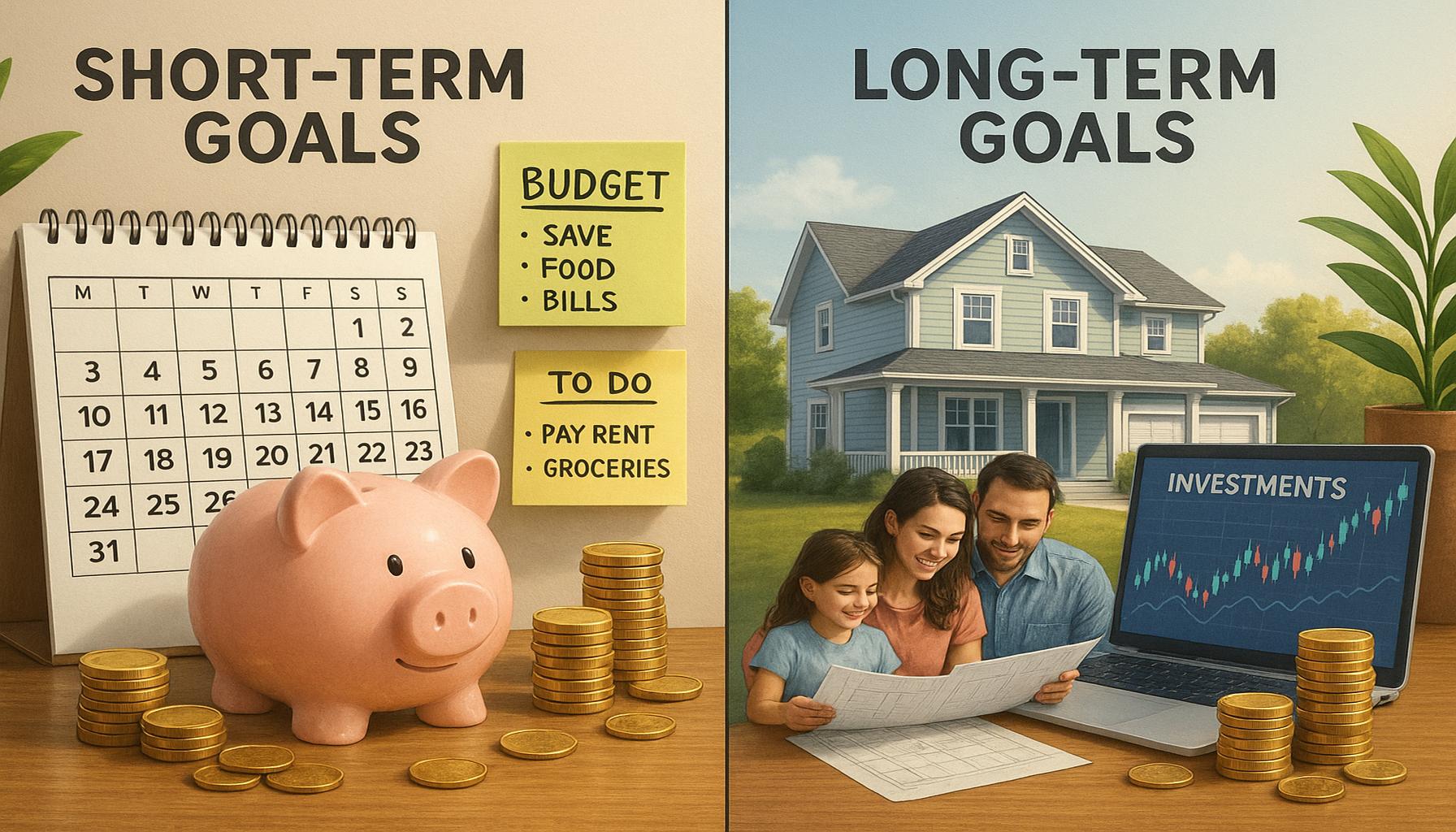
Understanding Financial Goals
Managing your finances can feel overwhelming. However, setting clear financial goals can provide direction and purpose. Having specific aspirations not only gives you motivation but also helps you measure your progress, guiding your financial decisions in a more strategic way.
Financial goals generally fall into two categories:
- Short-term Goals: These are typically achieved within a year and are often centered around immediate financial needs. Examples include:
- Saving for a vacation: Whether it’s a long weekend getaway or a week-long trip abroad, saving for these experiences requires careful planning. For instance, if your vacation costs $2,000 and you plan to travel in 10 months, you will need to save $200 each month.
- Paying off credit card debt: This often carries high-interest rates that can compound quickly. If you have a balance of $1,500 on a card with a 20% interest rate, prioritizing paying it off within six months can save you money in the long run.
- Building an emergency fund: This is crucial for financial stability. A recommended goal is to save three to six months’ worth of living expenses. If your monthly expenses are $3,000, aiming for between $9,000 and $18,000 can protect you against unexpected events like job loss or urgent home repairs.
- Long-term Goals: These often take several years to accomplish and require sustained effort and discipline. Examples include:
- Saving for retirement: Starting early can significantly enhance your retirement savings through the power of compound interest. Utilizing employer-sponsored plans, like a 401(k), can help you maximize contributions along with potential employer matches.
- Funding a child’s education: Setting up a 529 college savings plan can be an excellent strategy for accumulating the funds needed for college expenses, allowing you to invest gradually and tax-free.
- Purchasing a home: This major financial commitment often requires several years of saving for a down payment, typically around 20% of the home’s price. For a home priced at $300,000, saving $60,000 can help avoid private mortgage insurance (PMI).
Balancing these two types of goals is essential for financial health. Tackling short-term goals can provide immediate gratification, which maintains motivation, while long-term goals ensure future security. Taking time to evaluate how much of your income can go toward immediate needs versus future aspirations will help create a sustainable financial plan.
This article will explore strategies to achieve an effective balance between short-term needs and long-term aspirations. Understanding how to allocate your resources wisely strikes a balance that is key to a stable financial future.
Setting Priorities for Financial Success
Establishing clear financial priorities is essential for achieving both immediate stability and long-term wealth. To successfully manage your finances, begin by evaluating your current financial situation in detail. This involves understanding not only your income and existing expenses but also defining your financial goals. By categorizing your financial commitments into needs, wants, and future aspirations, you can create a more effective budgeting strategy.
- Needs: These are the non-negotiable expenses necessary for survival and daily living. Essential needs include housing payments, utility bills, groceries, and healthcare. For instance, if you live in a rental unit, your monthly rent or mortgage payment must be prioritized to maintain a roof over your head. This ensures that you have the basics covered while you work towards your financial goals.
- Wants: This category encompasses discretionary spending areas, such as dining out, entertainment subscriptions, and luxury items. While these expenses can enhance your lifestyle, it’s important to limit them if you’re serious about achieving your financial objectives. For example, reducing your dining out budget from $200 to $100 a month could free up funds for savings or debt repayment.
- Future Aspirations: Future aspirations refer to your long-term financial goals, which may include saving for retirement, investing in education, or putting aside funds for a home purchase. Allocating resources toward these aspirations is crucial for building a secure financial future. For instance, setting aside $300 a month for a retirement account can significantly contribute to your financial security down the road.
Understanding these categories enables you to create a well-structured budget that directs funds to the right places. Begin by calculating your total monthly income and deducting your needs. The surplus can then be strategically divided between immediate savings, long-term investments, and occasional splurges on wants. One practical approach is the 50/30/20 rule: allocate 50% of your income to needs, 30% to wants, and 20% to savings and debt repayment, ensuring a balanced financial strategy.
Creating a Balanced Budget
Achieving financial success requires maintaining a balanced budget aligned with your priorities. After categorizing your expenses, it’s important to outline a budget incorporating these priorities. Here are practical steps to facilitate this:
- Track Your Spending: Spend a month monitoring where your money goes. Utilizing budgeting apps like Mint or YNAB can simplify tracking your expenditures, helping you identify areas where you can cut back.
- Set Specific Goals: Clearly outline your short-term and long-term financial goals, providing numeric targets to make them actionable. For example, if you aim to save $5,000 for a vacation in two years, calculate that you need to save roughly $210 each month.
- Review Regularly: Your financial circumstances and aspirations may change over time, so it is essential to revisit your budget periodically. Continuous review will allow you to adjust your spending and saving strategies, ensuring you stay on track toward your objectives.
By recognizing both your immediate needs and future goals, you can forge a financial roadmap that effectively balances short-term enjoyment with long-term planning. This approach not only promotes financial stability but also empowers you to work toward fulfilling your aspirations with confidence.
Strategically Aligning Short and Long-Term Goals
Balancing both short and long-term financial goals is paramount for achieving true financial health. Successful management of these goals involves not just identifying them, but also understanding how they interact and influence each other over time. By considering various strategies to interlink your short-term ambitions with long-term aspirations, you can enhance your financial situation iteratively.
Leveraging Short-Term Wins for Long-Term Success
Short-term financial goals act as stepping stones toward your long-term objectives. By achieving these smaller targets, you not only build momentum but also enhance your overall financial discipline. For instance, consider establishing a goal to save $1,000 for a new laptop within six months. Achieving this goal not only provides immediate gratification but also builds habits necessary for larger financial commitments, like saving for a home or retirement. Each small victory reinforces the positive behavior of saving, ultimately contributing to your long-term wealth.
Moreover, the satisfaction gained from meeting short-term goals can motivate you to pursue more significant objectives. If you successfully save for that laptop, you may feel empowered to tackle a more ambitious goal, such as contributing to a retirement account. This cascading effect cultivates a proactive financial mindset, transforming how you perceive your financial capabilities.
Prioritizing Emergency Funds
A critical component in balancing short and long-term goals is maintaining an emergency fund. This fund serves as a financial safety net, protecting you against unexpected expenses that could derail your progress. Financial experts recommend saving three to six months’ worth of living expenses to cover unforeseen circumstances, such as job loss or medical emergencies. By prioritizing this fund, you minimize the risk of dipping into your long-term savings when emergencies arise, thus maintaining a healthy balance in your financial portfolio.
Setting up a separate savings account just for emergencies can also help you visually track your progress and create boundaries between your savings for goals and essential funds. For instance, if you allocate $150 monthly toward your emergency savings, you’ll accumulate $1,800 in a year. Establishing this fund makes it easier for you to focus on other savings or investments without the constant worry about unexpected costs.
Being Flexible with Financial Goals
Flexibility is vital when it comes to financial planning. Life is unpredictable, and as a result, your goals may require adjustments over time. Whether it’s a job change that affects your income or unexpected opportunities that arise, being open to revising your financial plans will help you better align your short-term achievements with your long-term aspirations. For example, if you receive a bonus at work, deciding to allocate that money toward student loans or retirement contributions can significantly impact your long-term financial strategy while addressing any immediate financial obligations.
Regularly revisiting your financial goals through tools like annual reviews or quarterly check-ins allows you to make necessary adjustments, keeping your ambitions achievable and aligned with your current circumstances. This process not only fosters financial awareness but also strengthens your commitment to your goals, however they may evolve.
In conclusion, integrating short and long-term financial goals requires a thoughtful approach and a dynamic strategy. By leveraging small victories, establishing critical emergency funds, and maintaining flexibility, you pave the way for a robust and resilient financial future. The interplay between these elements ensures you remain not only balanced but also motivated on your journey toward financial independence.
Final Thoughts on Balancing Your Financial Goals
In navigating the realm of personal finance, it is essential to recognize that achieving a balance between short and long-term goals is the cornerstone of a sustainable financial strategy. Your financial journey is not merely a sprint; it is a marathon that requires planning, commitment, and adaptability. By setting realistic short-term goals, such as saving for a new phone or paying off a small debt, you can create a solid foundation for your financial future.
Additionally, establishing a robust emergency fund protects you from unexpected financial jolts, allowing you to remain focused on both immediate needs and future aspirations. This safety net diminishes the likelihood of hindering long-term investment plans when life’s uncertainties arise.
Importantly, your financial journey should be marked by flexibility. Regular reassessments of your goals will enable you to pivot as needed in response to life’s inevitable changes. Whether it’s a raise at work, the birth of a child, or shifts in the economy, maintaining an adaptable mindset can make all the difference in aligning your short-term actions with your long-term dreams.
By embracing these principles—leveraging short-term successes, safeguarding against unforeseen events, and staying flexible—you pave a clear path toward achieving overarching financial independence. Remember, it’s not just about what you save but also about building the positive habits and resilience necessary for long-term wealth. Balance your goals, stay committed, and watch as your financial dreams become a reality.

Linda Carter is a writer and expert specializing in finance and investments. With extensive experience helping individuals achieve financial stability and make informed decisions, Linda shares her insights on the Alexandra Spindler platform. Her goal is to empower readers with practical advice and strategies for managing their finances and making smart investment choices.