Impact of Inflation on the Financial Market: Strategies for the Consumer
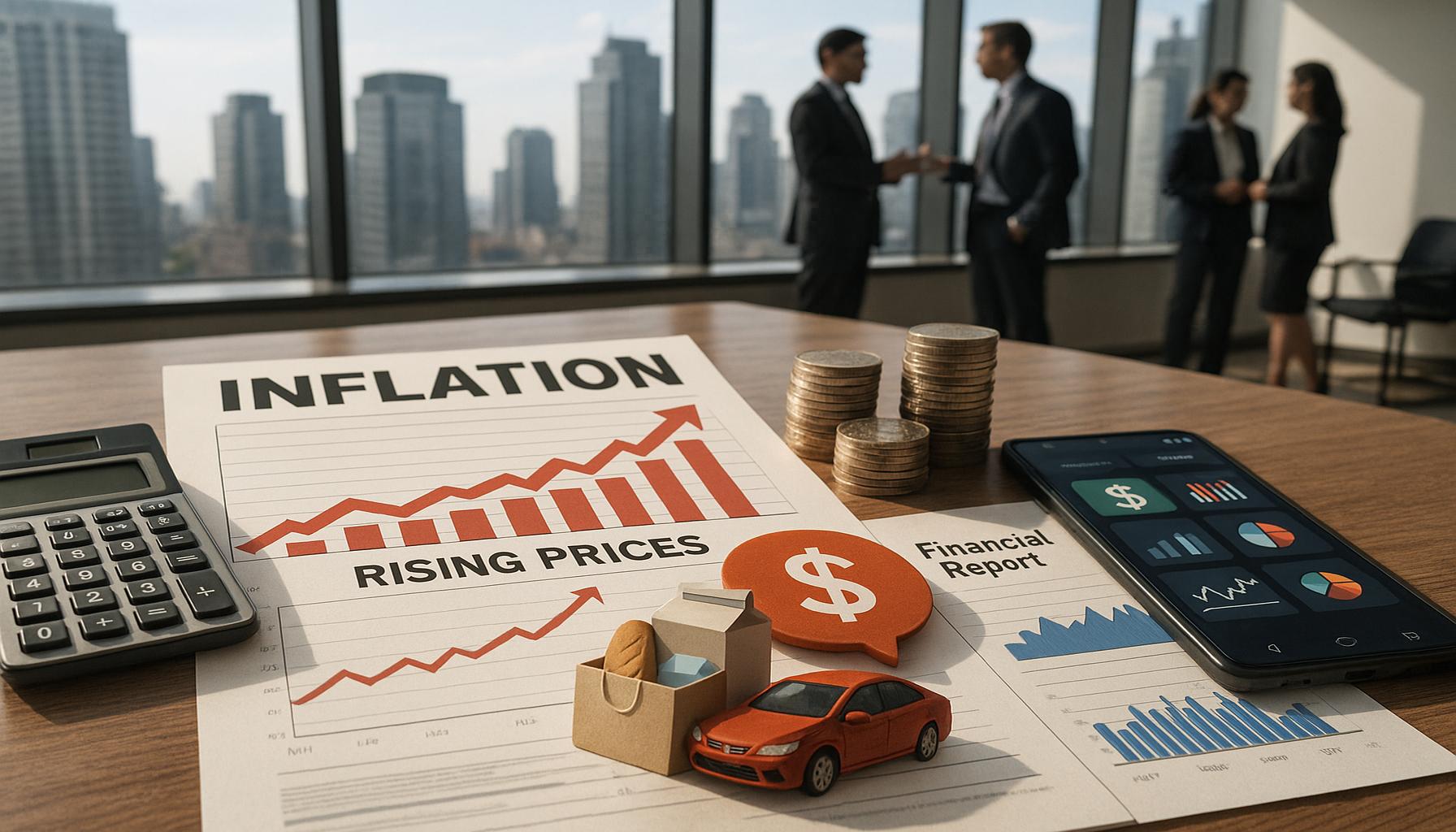
Understanding the Effects of Inflation on Financial Markets
Inflation has far-reaching consequences on the financial market, impacting individuals and businesses alike. It is essential for consumers to grasp how inflation affects their finances, especially in an evolving economic landscape characterized by fluctuating prices. With everyday expenses rising, consumers are often faced with challenging decisions about where to allocate their limited financial resources. This article examines the critical effects of inflation on financial markets and offers strategies for consumers to safeguard their financial well-being.
Key Effects of Inflation
To effectively manage personal finances amid inflation, it is vital to recognize its primary implications:
- Decreased purchasing power: As inflation rises, the value of money diminishes. For example, if the inflation rate is 3% annually, a $100 purchase today would require about $103 a year from now for the same items. This reduced purchasing power means that consumers must either spend more or forego certain goods and services, significantly impacting their standard of living.
- Higher interest rates: In response to rising inflation, central banks, like the Federal Reserve in the United States, may increase interest rates to stabilize the economy. For instance, higher rates will increase the costs of loans and mortgages, leading to higher monthly payments for homeowners and affecting the affordability of new car loans or credit card debt. This situation may prompt individuals to delay major purchases, which can further impact the economy.
- Volatile stock markets: Inflation news can cause market instability as investors react to changing economic conditions, leading to unpredictable fluctuations in stock prices. If consumers anticipate higher inflation, they might shift their investment strategies, resulting in market swings. This volatility can create challenges for long-term investors who are looking for stability in their portfolios.
Strategies to Navigate Inflation
In an inflationary environment, consumers need proactive strategies to protect their finances. Implementing smart financial decisions can help mitigate the adverse effects of inflation:
- Diversifying investments: Spreading investments across various asset classes, such as stocks, bonds, and real estate, can help minimize risk. For example, while the stock market may suffer during an inflationary period, real estate can often maintain its value, providing a cushion against overall market downturns.
- Investing in inflation-resistant assets: Certain assets tend to hold their value during inflationary periods. Real estate, for instance, generally appreciates in value over time, while commodities like gold and silver can serve as a hedge against inflation. By considering these types of assets, consumers can protect their wealth from diminishing buying power.
- Budgeting wisely: An effective budgeting strategy becomes even more critical when prices are rising. Consumers should prioritize essential expenses, such as housing and food, and look for opportunities to cut back on discretionary spending. This approach not only helps manage limited resources but also allows for better financial planning amidst rising costs.
By understanding the implications of inflation and adopting these practical strategies, consumers can make informed financial decisions that support their stability and growth. As inflation continues to shape our economic environment, being proactive and educated will empower individuals to successfully navigate these challenges.
Understanding the Effects of Inflation on Financial Markets
Inflation has far-reaching consequences on the financial market, impacting individuals and businesses alike. It is essential for consumers to grasp how inflation affects their finances, especially in an evolving economic landscape characterized by fluctuating prices. With everyday expenses rising, consumers are often faced with challenging decisions about where to allocate their limited financial resources. This article examines the critical effects of inflation on financial markets and offers strategies for consumers to safeguard their financial well-being.
Key Effects of Inflation
To effectively manage personal finances amid inflation, it is vital to recognize its primary implications:
- Decreased purchasing power: As inflation rises, the value of money diminishes. For example, if the inflation rate is 3% annually, a $100 purchase today would require about $103 a year from now for the same items. This reduced purchasing power means that consumers must either spend more or forego certain goods and services, significantly impacting their standard of living.
- Higher interest rates: In response to rising inflation, central banks, like the Federal Reserve in the United States, may increase interest rates to stabilize the economy. For instance, higher rates will increase the costs of loans and mortgages, leading to higher monthly payments for homeowners and affecting the affordability of new car loans or credit card debt. This situation may prompt individuals to delay major purchases, which can further impact the economy.
- Volatile stock markets: Inflation news can cause market instability as investors react to changing economic conditions, leading to unpredictable fluctuations in stock prices. If consumers anticipate higher inflation, they might shift their investment strategies, resulting in market swings. This volatility can create challenges for long-term investors who are looking for stability in their portfolios.
Strategies to Navigate Inflation
In an inflationary environment, consumers need proactive strategies to protect their finances. Implementing smart financial decisions can help mitigate the adverse effects of inflation:
- Diversifying investments: Spreading investments across various asset classes, such as stocks, bonds, and real estate, can help minimize risk. For example, while the stock market may suffer during an inflationary period, real estate can often maintain its value, providing a cushion against overall market downturns.
- Investing in inflation-resistant assets: Certain assets tend to hold their value during inflationary periods. Real estate, for instance, generally appreciates in value over time, while commodities like gold and silver can serve as a hedge against inflation. By considering these types of assets, consumers can protect their wealth from diminishing buying power.
- Budgeting wisely: An effective budgeting strategy becomes even more critical when prices are rising. Consumers should prioritize essential expenses, such as housing and food, and look for opportunities to cut back on discretionary spending. This approach not only helps manage limited resources but also allows for better financial planning amidst rising costs.
By understanding the implications of inflation and adopting these practical strategies, consumers can make informed financial decisions that support their stability and growth. As inflation continues to shape our economic environment, being proactive and educated will empower individuals to successfully navigate these challenges.
Adapting Financial Behavior in an Inflationary Climate
As inflation continues to present challenges, consumers must adopt adaptable financial strategies to successfully navigate these turbulent waters. Understanding that economic shifts can have immediate implications on saving, spending, and investment habits is crucial for long-term financial health. Here are some additional strategies to consider in response to inflationary pressures:
Re-evaluating Savings Accounts
With inflation eroding the value of cash savings, consumers should reconsider their approach to savings. Traditional savings accounts often yield minimal interest, often falling short of keeping pace with inflation. To combat this, consider high-yield savings accounts or inflation-linked bonds. For example, Series I Savings Bonds, issued by the U.S. Treasury, are designed to protect against inflation, allowing the interest rate to rise with the inflation rate, ensuring that your savings are more resilient over time.
Focus on Income Growth
In an inflationary environment, rising living costs can outpace wage growth, making it imperative for individuals to focus on enhancing their earning potential. This may involve seeking promotions, acquiring new skills, or even starting a side business. For instance, professionals in technology fields might pursue certifications to improve their qualifications and increase income, while others may explore freelance opportunities that leverage their personal talents. By increasing income, consumers can better cope with rising prices and maintain their purchasing power.
Being Strategic With Debt Management
In an inflationary period, managing debt becomes increasingly important, particularly with rising interest rates. Consumers should consider prioritizing the repayment of high-interest debt, such as credit cards, as it becomes more expensive over time. Additionally, exploring options for refinancing existing debt could yield benefits. For example, if a homeowner has a mortgage with a high interest rate, refinancing to a lower rate can reduce monthly payments, thus providing extra funds to allocate toward essential needs that are being affected by inflation.
Investing for the Future
When it comes to long-term investments, consumers must remain vigilant about adjusting their portfolios. Inflation can shift the landscape in which certain sectors thrive. For instance, stocks in essential goods and services—such as food and utilities—often perform better in inflationary conditions since these are necessities that consumers continue to purchase regardless of price increases. Therefore, keeping an eye on market trends and being willing to adjust investment strategies can lead to better outcomes.
Consider Cost-Effective Alternatives
As prices rise, consumers should look for cost-effective alternatives for everyday expenses. For instance, shopping at discount retailers, buying in bulk, or opting for generic brands can significantly reduce spending without sacrificing quality. Meal planning and cooking at home instead of dining out can also lead to substantial savings. Such small shifts in consumer behavior can create a more robust financial situation even amid growing inflation.
By actively engaging with these strategies and continually reassessing one’s financial position, consumers can enhance their resilience against the economic challenges posed by inflation. A proactive approach toward savings, income generation, and spending can lead to financial empowerment, allowing individuals to maintain stability and grow their wealth—regardless of the prevailing inflationary environment.
Conclusion
In summary, the ongoing challenge of inflation requires consumers to be proactive and strategic in their financial planning. With potential threats to savings, income, and investment returns, individuals must adapt their behavior to ensure financial stability. By leveraging tools such as high-yield savings accounts and inflation-linked bonds, consumers can preserve the value of their savings. Moreover, actively pursuing income growth through skill enhancement or side ventures enables households to maintain purchasing power amid rising costs.
Effective debt management is crucial, as strategic repayment and potential refinancing can mitigate the impact of increasing interest rates. In terms of investments, staying informed about market trends and focusing on sectors less sensitive to inflation—like essential goods—can enhance portfolio resilience. Finally, adopting cost-effective shopping habits not only helps reduce expenses but also promotes smarter consumer behavior during uncertain economic times.
Ultimately, adopting these strategies will empower consumers, equipping them with the tools needed to navigate inflation successfully. A thoughtful approach to saving, managing debt, and making informed investment decisions can not only bolster financial well-being but also foster confidence in an uncertain financial landscape. By actively engaging with their financial future, consumers can better weather the storms of inflation and emerge stronger on the other side.

Linda Carter is a writer and expert specializing in finance and investments. With extensive experience helping individuals achieve financial stability and make informed decisions, Linda shares her insights on the Alexandra Spindler platform. Her goal is to empower readers with practical advice and strategies for managing their finances and making smart investment choices.