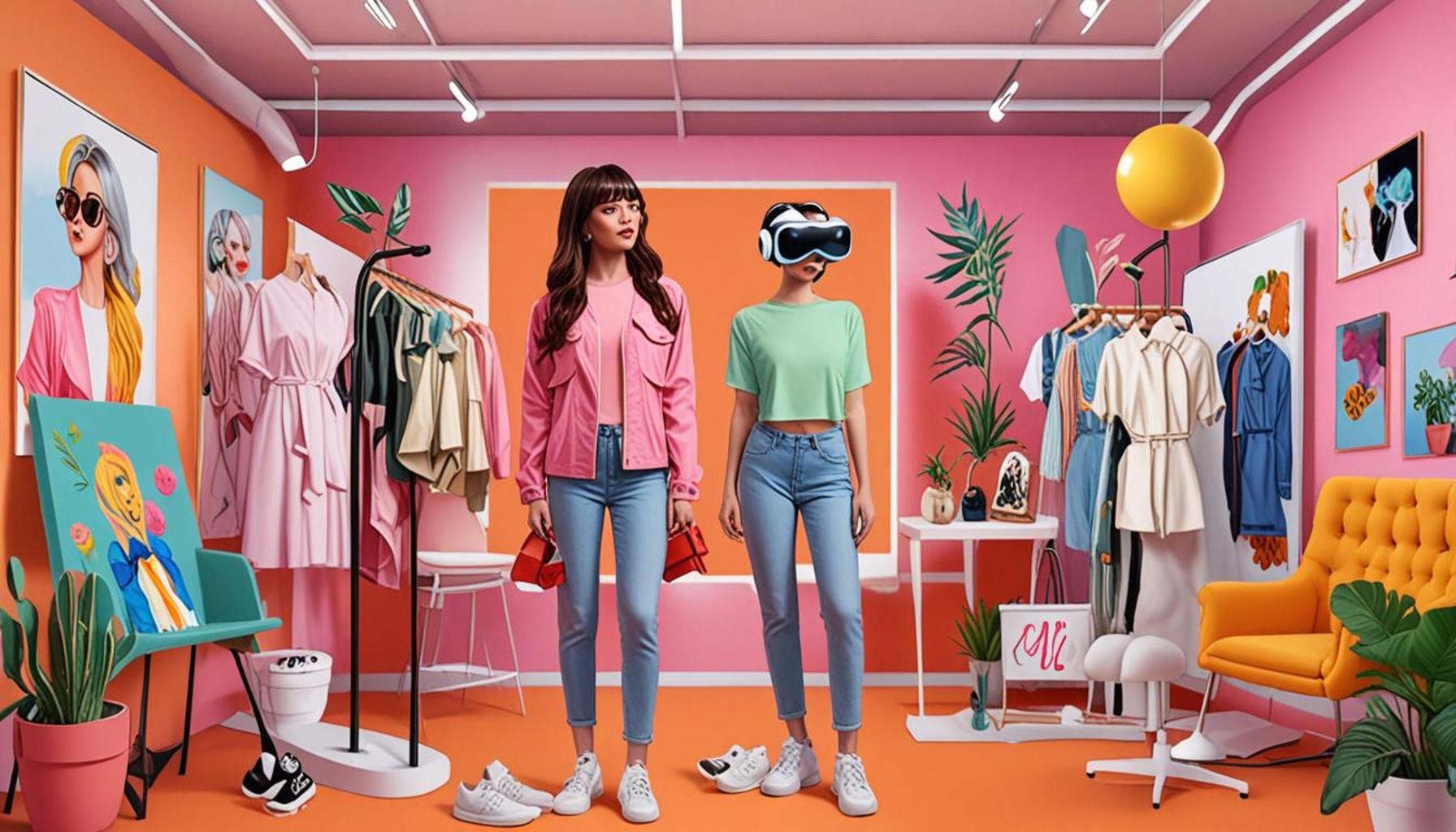
Gamification and Engagement: How Shein Uses Technology to Retain Customers

Innovative Approaches to Customer Engagement
In today’s rapidly evolving digital landscape, brands are constantly looking for cutting-edge strategies to deepen customer engagement and foster loyalty. One prominent example is Shein, a fast-fashion powerhouse that has revolutionized its business model through innovative techniques, notably the use of gamification.
Gamification refers to the incorporation of game-like elements into non-game settings to enhance user experience and engagement. This approach resonates particularly well in retail, where the competition for consumer attention is fierce. Shein has effectively harnessed this tactic to create a shopping environment that captivates and retains its audience. Below are some key elements of how Shein leverages gamification:
- Interactive Features: Shein incorporates engaging quizzes and challenges that not only entertain but also empower customers to earn rewards. For instance, completing a style quiz might yield points or discounts that can be applied towards future purchases, directly incentivizing participation.
- Social Sharing: By allowing users to share their outfits and shopping experiences on platforms like Instagram and TikTok, Shein fosters a sense of community. This engagement cultivates brand loyalty, as customers feel a connection not just to the products, but to a larger culture that celebrates individual style.
- Reward Systems: Shein’s loyalty program rewards customers with points based on their purchases and interactions on the app. These points can be redeemed for discounts, which enhances the overall shopping experience and encourages repeat purchasing behavior.
Moreover, Shein’s approach is particularly effective among younger consumers, who are often attracted to brands that prioritize engagement in a fun and interactive manner. According to research, more than 70% of millennials express a preference for shopping with brands that provide an entertaining experience, rather than just a transactional exchange.
As we continue to explore the mechanics behind Shein’s customer retention techniques, one cannot ignore the pivotal role technology plays in crafting superior customer engagement strategies. The integration of advanced analytics, machine learning algorithms to personalize recommendations, and social media marketing bring a comprehensive and appealing shopping environment that meets the expectations of today’s digital-savvy consumers.
In an era where attention spans dwindle and options are abundant, Shein’s innovative use of technology not only stands out but also serves as a beacon for other retailers aiming to enhance their consumer connections effectively. The brand’s success story invites further exploration into how gamification can transform the retail landscape and reshape customer experiences.
DON’T MISS: Click here for a hassle-free return and exchange guide
Unleashing the Power of Gamification
At the heart of Shein’s remarkable success story lies its ability to transform customer engagement through gamification. This strategy is not merely an add-on; it is integral to the company’s approach to retaining a plethora of consumers amidst a competitive landscape. The brand’s innovative use of game mechanics creates a vibrant shopping atmosphere that draws customers in and keeps them coming back.
One way Shein captivates its audience is through interactive features that transcend traditional online shopping experiences. By gamifying the user experience, Shein encourages participation through diverting content. For instance, customers may encounter an intriguing style quiz that not only showcases trends but also rewards them with points upon completion. These points can be directly translated into discounts for future purchases, thereby creating a cyclic relationship where shopping is both rewarding and engaging.
In conjunction with quizzes, Shein has implemented various challenges that encourage users to engage with the brand in fun ways. The ‘Style Challenge’ involves customers posting musing photos of their favorite outfits for a chance to win prizes, further enhancing the sense of community among shoppers. This interactive layer adds an element of fun that resonates with younger consumers, who crave more than just a transactional shopping experience. In fact, surveys indicate that over 60% of Gen Z consumers appreciate brands that provide an engaging experience tailored to their interests.
- User-Generated Content: The rise of social media has significantly influenced Shein’s gamification strategy. By encouraging customers to share their shopping experiences and outfits on platforms such as TikTok and Instagram, Shein motivates users to contribute content. This creates a dynamic virtual community that fosters loyalty and enhances brand visibility.
- Point Systems: The brand’s loyalty program is another cornerstone of its gamified approach. Customers are rewarded with points not only for purchases but also for engaging with app features, sharing content, and inviting friends. This multifaceted reward system transforms customer behavior by creating continuous incentives for participation.
- Limited-Time Events: To bolster excitement and urgency, Shein frequently hosts time-sensitive events that encourage customers to act quickly. These limited-time promotions often feature exclusive products or additional rewards for participation, enhancing the thrill of shopping.
As technology continues to evolve, so does Shein’s ability to utilize data analytics and artificial intelligence to tailor experiences to individual preferences. By analyzing shopping behaviors and preferences, Shein has created a highly personalized shopping journey that feels uniquely crafted for each consumer. Not only does this foster a deeper connection with the brand, but it also plays a crucial role in customer retention.
The combination of these gamified elements not only builds an engaging shopping experience that captivates but also turns casual visitors into loyal customers. As Shein continues to refine its strategies through innovative technology, it sets a noteworthy precedent for the retail industry. This unique approach to customer retention exemplifies how gamification can elevate the retail experience, paving the way for a future where consumer engagement is both a science and an art.
Gamification in the realm of e-commerce has become a pivotal strategy for brands aiming to increase customer engagement and retention. Shein, a major player in the fast-fashion market, has successfully harnessed digital tools to foster a more interactive shopping experience. By integrating gaming elements such as points, rewards, and challenges, Shein transforms routine shopping into an engaging adventure. This approach not only captivates users but also encourages repeat visits to their platform.One of the notable features of Shein’s gamification strategy is its loyalty program. Customers earn points through browsing, purchases, and participation in contests, which they can redeem for discounts or exclusive items. This creates a sense of achievement, prompting users to interact more frequently with the app. The thrill of accumulating points makes shopping less transactional and more experiential, ultimately boosting customer loyalty.Moreover, Shein’s incorporation of social elements enhances engagement further. Users are encouraged to share their outfits and style inspirations on social media, fueling a community vibe. This not only enhances brand visibility but also fosters trust among potential customers, as they see real-life applications of products. Additionally, the social sharing aspect cleverly taps into the psychology of recommendation, where users feel more motivated to purchase when their peers are involved.Feature-based challenges, such as flash sales and limited-time offers, create a sense of urgency that stimulates immediate responses from consumers. This tactic, combined with personalized recommendations based on browsing history, ensures that each visitor feels addressed, further enriching the overall shopping journey.Through these innovative uses of technology, Shein demonstrates how gamification and engaging content can effectively retain customers in a competitive landscape. As shopping dynamics evolve, embracing such strategies becomes essential for brands looking to thrive in ever-changing consumer markets.
DISCOVER MORE: Click here to learn how Shein boosts
The Mechanics of Engagement: Driving Loyalty Through Technology
Furthermore, Shein’s knack for incorporating exclusive rewards plays a key role in enhancing customer loyalty. The brand’s tiered loyalty program, where customers progress through levels based on their activity, is particularly noteworthy. As shoppers make purchases, they accumulate points that propel them into higher tiers, each unlocking unique perks like early access to sales or exclusive products. This not only incentivizes purchases but also creates a sense of achievement and status—elements that further cement loyalty among frequent buyers.
Another significant aspect of Shein’s gamification strategy is the implementation of social shopping experiences. Features like live-streamed shopping events allow customers to browse and shop in real-time with influencers and brand ambassadors. This creates an interactive atmosphere reminiscent of a social gathering, where viewers can engage with the host and each other through comments and reactions. By fostering a lively community around their products, Shein eliminates the isolation often associated with online shopping. Statistics indicate that over 50% of consumers are more likely to make a purchase when shopping alongside others, underscoring the effectiveness of this tactic.
Moreover, Shein harnesses the power of mobile technology to create a seamless shopping experience tailored for an on-the-go clientele. The brand’s app is a treasure trove of gamified elements, featuring engaging flash sales, daily puzzles, and spin-the-wheel games that offer instant discounts or rewards. These interactive experiences are designed to be quick yet engaging, catering to the fast-paced lifestyle of many shoppers today. According to research, mobile shopping is projected to account for over 50% of all e-commerce sales in the U.S. by 2025, making Shein’s mobile-first approach not just beneficial but essential for its growth trajectory.
Shein also excels at leveraging customer feedback and reviews as part of its gamification strategy. Users are encouraged to leave reviews, share their experiences, and vote on product designs, allowing customers to feel invested in the brand’s offerings. This participatory approach not only enriches the product range but also fosters a sense of community among shoppers. Data suggests that products with over 100 reviews see a 25% increase in sales, illustrating how crucial user-generated content is in driving conversions.
In addition to these strategies, Shein’s use of artificial intelligence (AI) enhances personalization at every customer touchpoint. By tracking user interactions and analyzing purchasing behaviors, Shein curates personalized suggestions for consumers, making the shopping experience feel uniquely tailored to their tastes and preferences. A staggering 80% of consumers are more likely to make a purchase when their shopping experience is personalized, according to a recent report, demonstrating the importance of this technological integration in customer retention.
Through these multifaceted approaches, Shein not only immerses its customers in a gamified retail environment but also transforms shopping into an experience that is both fun and rewarding. By continually investing in technology and innovative strategies to enhance engagement, Shein is not just a retail brand; it’s evolving into a destination for community-driven, interactive shopping that resonates with the modern consumer.
EXPLORE MORE: Click here to discover the impact of automation</p
Conclusion: The Future of Retail Engagement
In an era where consumer attention is fleeting and choices abound, Shein’s innovative approach to gamification and engagement serves as a vital blueprint for successful customer retention. By integrating elements such as tiered loyalty programs, social shopping experiences, and mobile technology, Shein not only enhances the shopping journey but also transforms it into a dynamic experience that captivates users. The incorporation of customer feedback and artificial intelligence (AI) for personalized recommendations underscores the brand’s commitment to understanding and serving its clientele better.
As the retail landscape continues to evolve, Shein’s agility in adapting to changing consumer behaviors and preferences positions it as a formidable player in the e-commerce domain. The brand’s commitment to creating a sense of community through live-streamed events and interactive features cultivates loyalty while paving the way for a more engaged customer base. With research suggesting that over 80% of consumers are inclined to shop with brands that cater to their preferences, Shein’s data-driven strategies are not merely advantageous; they are essential.
Looking ahead, the retail industry must recognize the importance of technology-driven strategies to foster lasting relationships with consumers. Shein exemplifies a future where shopping is not just transactional but experiential, blurring the lines between e-commerce and social interaction. As other brands explore similar avenues, the potential for gamification to revolutionize customer engagement remains vast, inviting further exploration and adaptation in the ever-competitive marketplace.




Linda Carter
Linda Carter is a digital business trends writer and strategist specializing in emerging technologies and online revenue models. With extensive experience helping entrepreneurs and professionals adapt to the digital economy, she shares actionable insights on our platform about monetization strategies, consumer behavior shifts, and next-wave innovations. Her goal is to empower readers with practical frameworks to future-proof their businesses and capitalize on digital opportunities.